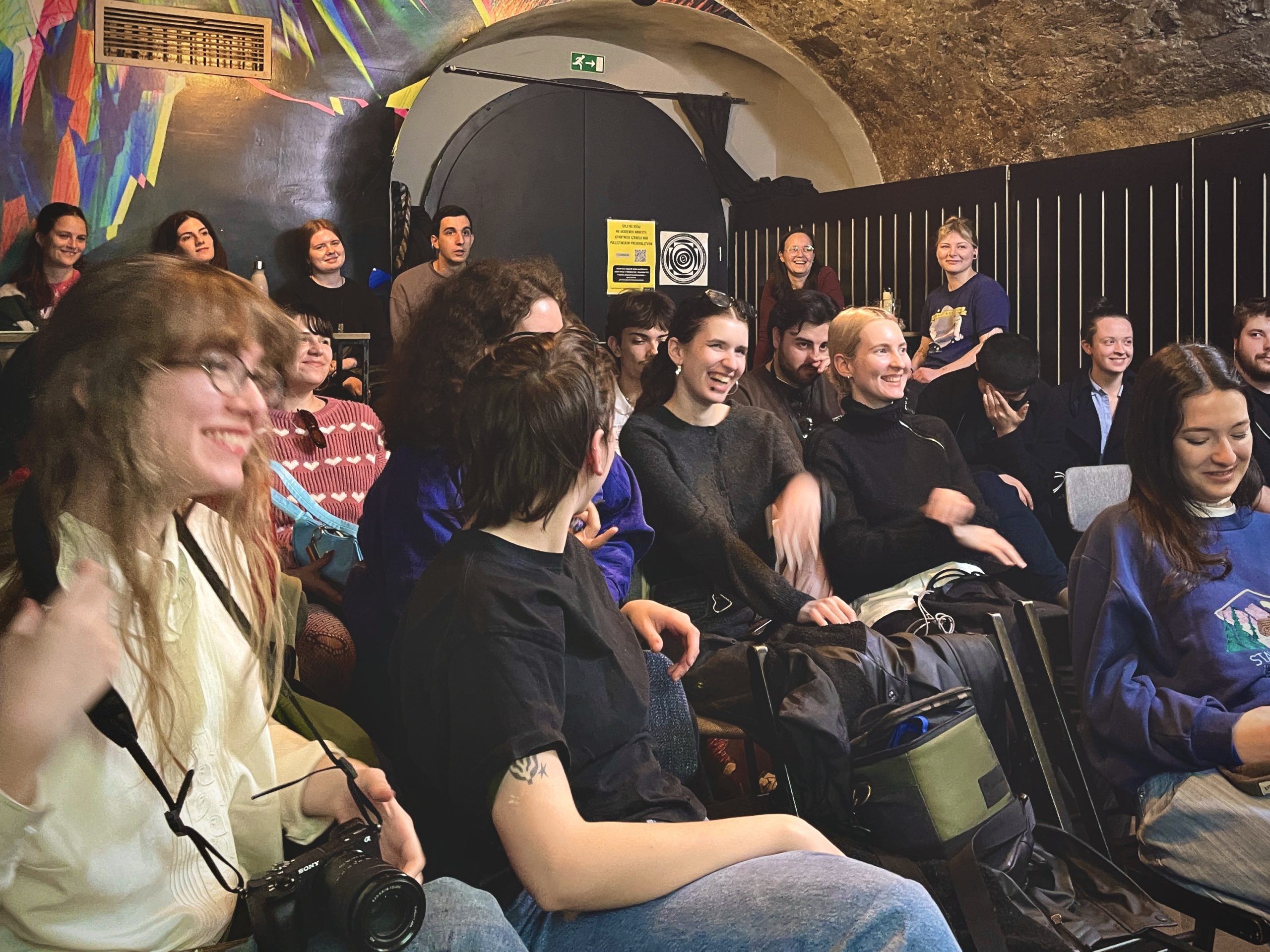
Facilitators’ Experiences with youth exchange
Innovative Practices for Active Citizenship,
2nd – 6th March 2026
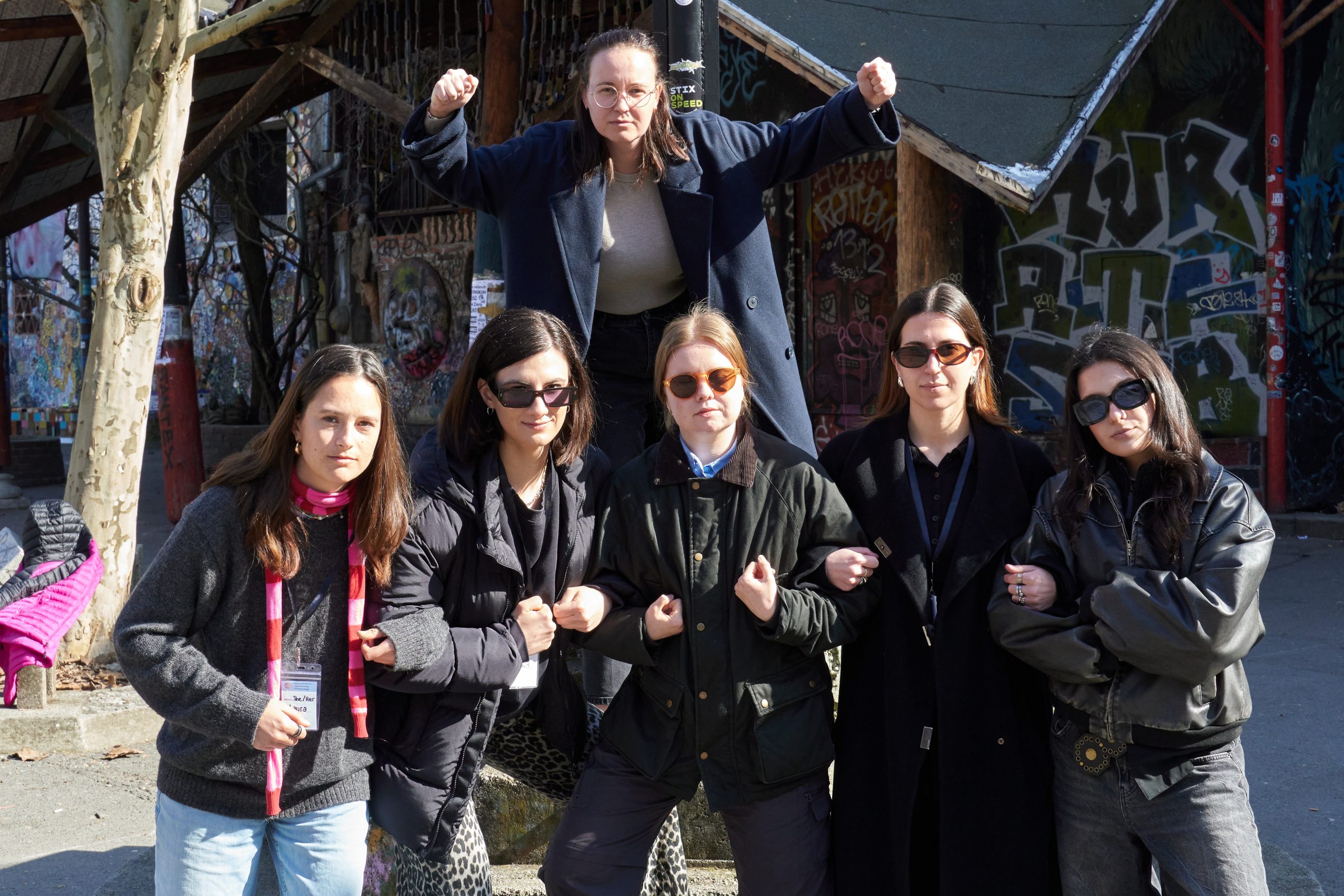
Irem, Turkey
Taking on the role of a facilitator was a very empowering experience for me in a positive way. Seeing the activities and sessions that we had been planning and working on for nearly two months finally come to life was both rewarding and fulfilling. It was a moment of pride to witness the ideas we had developed together being implemented and experienced by participants. I also believe that the group of participants who attended the exchange played a very important role in making the facilitation process smooth. Everyone arrived with a welcoming, open, and supportive attitude, which contributed greatly to creating a positive learning environment. At the beginning, I felt a little nervous about facilitating such a large group. However, this concern quickly disappeared once the activities started. The participants were engaged and cooperative, and I did not encounter any major challenges while facilitating. Organizing activities in smaller groups worked particularly well and helped ensure that everyone had the opportunity to participate and share their perspectives. This approach also made the facilitation process more manageable and interactive.
One of the most valuable learning aspects of the exchange for me was discovering the different forms that activism can take in various local and national contexts. Listening to participants and activists speak about the history of activism in their countries and how civic engagement has evolved over time was extremely insightful. Hearing these perspectives directly from people who are actively involved in their communities made the discussions even more meaningful. Another important aspect was seeing how participants interpreted and shaped the workshops we had designed. Many of the ideas that emerged during the sessions went beyond our expectations, and I personally gained new inspiration and ideas for future workshops.Facilitating the workshops was also a significant learning experience for me on a personal level. It helped me develop important skills such as time management, presentation skills, and the importance of voice tone and clarity when communicating with a group. I also realized how important it is to remain open and attentive to participants’ needs and contributions in order to create a supportive learning atmosphere.
For me, facilitating for the first time was both exciting and valuable, as it allowed me to grow in confidence and understand more about group dynamics. The theme of the exchange, active citizenship is extremely important to discuss, especially in today’s world. Understanding our rights, learning how to use our voices, and discovering how we can take action and become part of social change are essential elements of active citizenship in my opinion. From both an individual and a collective perspective, learning how to participate more actively in society is very valuable. I believe that understanding how to become a more active citizen, and what individuals can do on their own to create change, is something that every citizen should have at least some knowledge about. In a time where many social challenges exist, there is a growing need for people to be more aware, informed, and engaged in their communities.
Through the workshops and discussions, I also learned many new concepts and terms related to active citizenship that I was not previously familiar with. Hearing about the initiatives participants are involved in within their own communities was particularly inspiring. For example, I had the opportunity to speak in depth with a participant who is part of a collective that distributes food to migrants and homeless people. Learning about their work and following their collective afterwards gave me a deeper understanding of practical activism and community-based initiatives. Another valuable topic that emerged during the exchange was the importance of setting boundaries within activism and preventing burnout. Discussions about how activists can protect their well-being while remaining engaged in their work provided me with important insights that I will carry with me in my future involvement in activism. Overall, I believe that the exchange successfully created a safe and supportive space where participants felt comfortable sharing their experiences and perspectives. Many participants expressed that they felt accepted and that the environment allowed them to speak openly about their ideas and challenges. This atmosphere of trust made the discussions more meaningful and encouraged deeper reflection among the group.
One of my biggest takeaways from this experience is the realization that knowledge becomes more meaningful when it is shared. Working together with people who share similar values and goals, and collaborating to create a positive impact, felt both motivating and empowering. The exchange reminded me how important it is to connect with others who are passionate about social change.
Perhaps the most concrete outcome for me personally is the motivation I gained to create something similar in my own environment. After this exchange, I feel inspired to start an international collective or student organization at my university, focusing on themes related to active citizenship and LGBTQ+ community engagement. I realized that there is currently a gap in this area, particularly within the international student community, and I would like to integrate the knowledge and experiences I gained during this exchange into such an initiative. Overall, this experience strengthened both my understanding of active citizenship and my confidence in facilitating group learning processes. It was a meaningful experience that I will carry forward in my future work with communities and youth initiatives.
Nea, Finland
Participating in the Innovative Practices for Active Citizenship as a facilitator was a good learning experience for me. The preparatory tasks of the Erasmus+ exchange week started in January 2026 and was slowly built from there. I felt that our trainee team was working really well and we had a lot of different study fields represented in our group. One of the success factors I believe is that we all had a great motivation to learn and we wanted the project to succeed. I would also highlight solidarity and support among the group.
During the project I learned and developed my team working skills, time management, responding to unexpected events and schedule changes, prioritization and different perspectives. For example, what I learned on time management is that being well prepared is essential, but also unexpected things happen almost every time. Also the time spent in building team spirit is crucial when working in larger groups of people. Taking time and making real connections between people helps later when working together. Also when working with larger groups time management highlights and sometimes this might mean reprioritization of things.
From the participants I learned new information about their local communities, their countries, what opportunities their local communities offer and what kind of active citizenship or activism they practise. Discussion also included possible obstacles and barriers the participants may have or are still facing in terms of being active citizens. Overall the participants also challenged my way of thinking and gave me new perspectives on things. From the co-facilitators I learned new working methods, theoretical knowledge, presentation skills and also new ways of thinking. In the future I will use all of these things I learned when practising my profession.
Laura, Germany
Participating in this youth exchange as a facilitator was a highly valuable learning experience for me on both a personal and professional level. Throughout the programme, I had the opportunity to design and facilitate workshops, observe group dynamics, reflect on my role in supporting the learning processes of participants, and learn reciprocally from the group. The exchange focused on the topic of active citizenship and addressed related themes such as participation, communication, discrimination, activism, and practical tools for civic engagement.
From my perspective, the theme of active citizenship is highly relevant in the current social and political context. Many young people face barriers to participation, limited access to decision-making processes, and challenges related to representation and inclusion. Providing spaces where young people can reflect on these issues, exchange experiences across different national contexts, and develop practical tools for civic engagement is therefore extremely important. This youth exchange successfully created such a space and encouraged participants to critically reflect on their roles within their communities. The diversity of the group played an important role in enriching the exchange, as it ensured that a wide range of perspectives and experiences were represented.
The preparation phase of the workshops already provided an important learning opportunity for me. This was the first time I had the opportunity to design workshops and develop educational activities based on non-formal learning methods. During this process, I deepened my understanding of how non-formal education can be used to communicate complex topics in an accessible and participatory way. Developing the workshops also allowed me to engage more deeply with the concept of active citizenship and related issues such as participation, inclusion, and civic responsibility.
At the beginning of the exchange, I experienced some nervousness about taking on the role of facilitator. Observing the first sessions facilitated by others was both inspiring and challenging, as it led me to reflect on how I would approach similar situations. I noticed that I was paying a lot of attention to my own language and behaviour and sometimes became overly self-critical. Through this experience, I learned the importance of patience and self-reflection when developing facilitation skills. Over the course of the week, however, I became increasingly comfortable in the facilitator role. By the end of the exchange, I was able to facilitate workshops with significantly more confidence and was able to focus fully on the interaction with the group. This personal development was very meaningful for me and has strengthened my confidence in taking on similar responsibilities in the future.
One of the main challenges I encountered during the exchange was related to time management and the need to adapt workshops to the dynamics of the group. On the second day, the programme was particularly full and several activities led to in-depth and meaningful discussions among participants. While these discussions were extremely valuable for the learning process, they also required more time than originally planned. As a result, I needed to shorten some of the workshops I had prepared and adapt certain elements of the programme spontaneously. This was challenging because it required letting go of parts of the plan that I had carefully developed. At the same time, this experience highlighted an important aspect of non-formal education: facilitation requires flexibility and responsiveness to the needs and interests of participants. Despite these adjustments, the discussions that emerged were very valuable and demonstrated the participants’ engagement with the topics. For example, during a workshop exploring the concepts of “individual,” “citizen,” and “active citizen,” participants critically reflected on whether such categories are helpful in practice. This discussion illustrated the participants’ strong critical thinking skills and their ability to question conceptual frameworks.
Working with a relatively large and diverse group was another important learning experience. The participants came from different countries and social backgrounds, which enriched the discussions and created opportunities for intercultural learning. At the same time, facilitating in such a context requires sensitivity to group dynamics and awareness of different perspectives and experiences. I particularly appreciated moments when participants shared personal stories related to the themes of the exchange. These contributions helped to connect abstract political and social topics with lived experiences and fostered a deeper level of empathy and mutual understanding within the group.
One particularly meaningful moment occurred during a workshop focusing on personal development in relation to active citizenship. Participants reflected on how their level of civic engagement had changed over time and what factors influenced their participation. Initially, I expected participants to refer mainly to external political developments. However, many participants highlighted internal factors such as mental health, personal well-being, and emotional capacity as important influences on their engagement. This reflection broadened my understanding of the relationship between personal circumstances and civic participation. In another moment, a participant shared a personal story related to the invasion of Ukraine. This story transformed a large political event into a personal and human experience for the group and created a strong sense of empathy and solidarity among participants. Moments like these illustrate the unique value of youth exchanges as spaces where international political issues can be discussed through personal experiences and mutual understanding.
In addition to the workshops facilitated by the project team, the programme also included sessions led by external speakers and activists. These sessions provided valuable insights into practical experiences of civic engagement and activism. Hearing directly from individuals who have long been involved in creating civic spaces and advocating for social change was highly inspiring. From the session with Edi, I learned about the importance of courage and openness in dialogue, even when addressing complex or controversial topics. From Suzanna’s contribution during the LGBTQ+ city tour, I gained a deeper understanding of the significance of queer spaces within urban environments and their role in community building and social visibility. From Nina’s workshop I learned that you sometimes have to try things without having the fear of failure.
Throughout the exchange, I also learned from the participants themselves. Their creativity, openness, and willingness to engage with complex topics contributed significantly to the success of the programme. This was particularly visible during activities such as the role-plays exploring enabling factors for participation and the street action developed by the participants. It was impressive to observe how quickly the groups were able to develop ideas, collaborate effectively, and present their messages in a public space. The street action in particular demonstrated how the participants had gained confidence in expressing their perspectives and engaging with the wider community.
Overall, this experience significantly strengthened my confidence in facilitating learning processes and deepened my understanding of non-formal education and its potential for empowering young people. I learned that flexibility, openness, and trust in the group are essential elements of effective facilitation. At the same time, the experience reminded me that learning within youth exchanges is a mutual process: while facilitators guide the structure of the programme, they also learn continuously from the participants and from the dynamics that emerge during the activities. I am taking with me many valuable insights from this exchange, both in terms of facilitation methods and in terms of the importance of creating inclusive and safe spaces where young people can explore and practice active citizenship together.
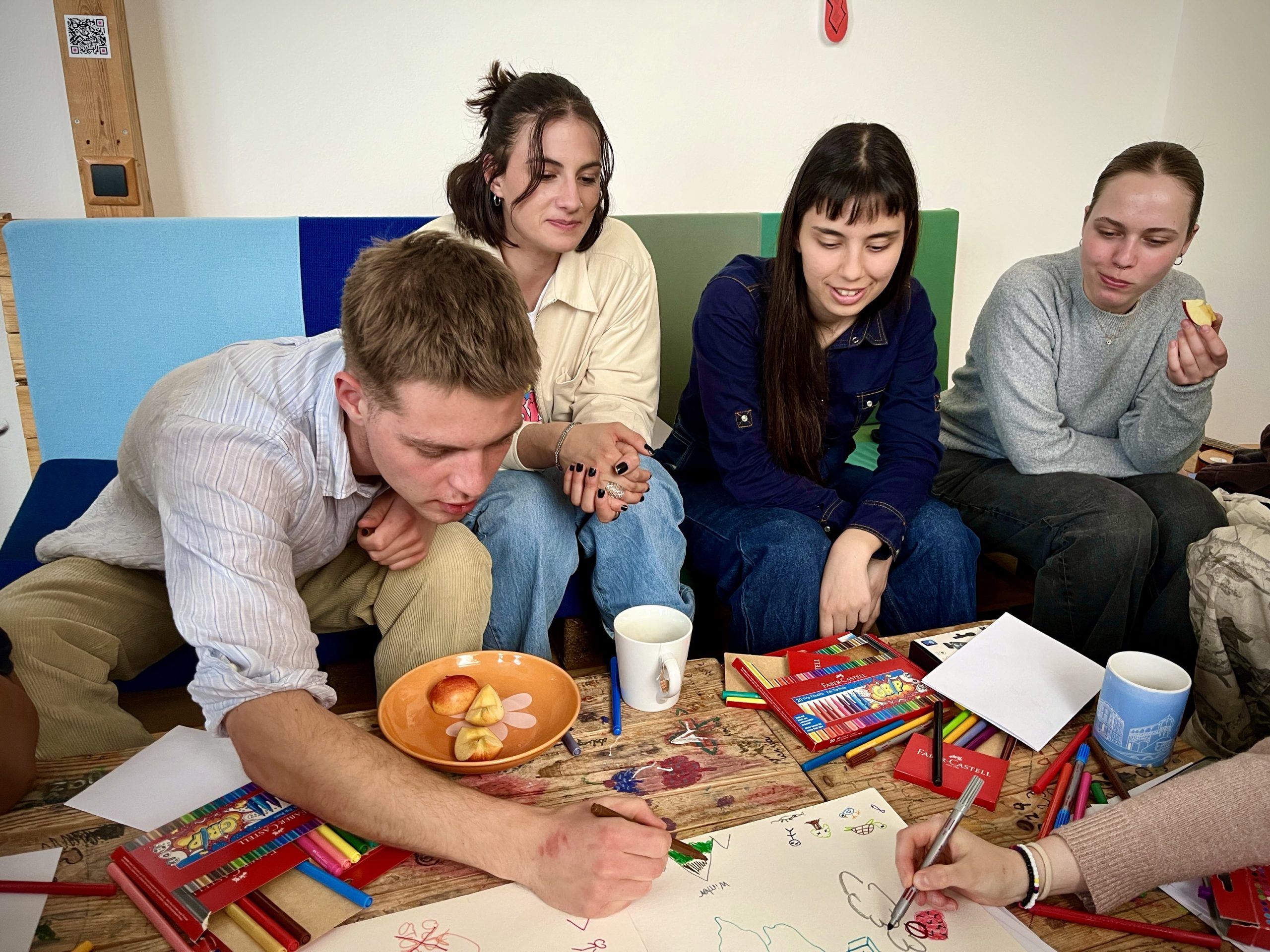
Alex, Romania
Being a group leader for the Romanian team representing VULGAR during this Erasmus+ exchange was a deeply meaningful experience, especially in the context of LGBTQIA+ activism. Supporting a group of young people—many of whom are connected to or part of the queer community—required not only organizational skills, but also emotional awareness, empathy, and care.
From the beginning, my priority was to ensure that participants felt safe to express themselves fully. For queer participants in particular, international spaces can be both liberating and challenging. Creating a sense of trust within the group was essential so that everyone could engage with the project authentically.
Throughout the exchange, I witnessed moments of courage, vulnerability, and growth. Participants shared personal stories, challenged their own perspectives, and supported each other in powerful ways. Seeing them take up space, speak openly, and connect with others across borders was incredibly inspiring.
At the same time, being a group leader meant navigating complex dynamics. Topics related to identity, discrimination, and rights can be sensitive, and it was important to remain attentive to the emotional well-being of the group. This experience strengthened my ability to hold space for difficult conversations while maintaining a supportive environment.
Representing VULGAR in this context was also a responsibility I carried with pride. As an organization that actively promotes LGBTQIA+ visibility and cultural expression, we brought our values into the project and contributed to shaping a more inclusive space.
This exchange reaffirmed for me that leadership in youth work is not about authority, but about care, representation, and empowerment. I leave Ljubljana not only as a group leader, but as a stronger ally and activist, committed to continuing this work back home.
María, Spain
From March 1st to 7th, I participated as a group leader in the youth exchange “Innovative Practices for Active Citizenship (IPA)” in Ljubljana, organised within the Erasmus+ programme. Sharing this experience with participants from Latvia, Italy, Romania, and Slovenia offered a valuable opportunity to explore how activism takes different forms depending on each country’s social and political context.
One of the key learnings was understanding that there is no single way to practice activism. In some contexts, it is highly visible and collective, while in others it is more subtle, shaped by limitations but equally meaningful. This reinforced the importance of adapting strategies to specific realities.
Participants shared inspiring approaches, particularly around nonviolent communication as a tool for building dialogue and fostering long-term impact. Equally important was the emphasis on safe spaces, highlighted through local experiences in Ljubljana, showing how community-building itself can be a form of activism.
Creativity also emerged as a central element, with methods such as street actions, podcasts, and visual campaigns helping make activism more accessible and engaging for young people.
Beyond the learning dimension, this experience was also a personal exercise in problem-solving. As a group leader, I had to navigate practical challenges, support group dynamics, and respond to unexpected situations throughout the exchange. Managing these moments required adaptability, communication, and responsibility, reinforcing my ability to benefit personally from the exchange while ensuring a positive and inclusive experience for all participants.
Overall, this exchange highlighted the value of international dialogue in inspiring new ideas, strengthening critical thinking, and supporting diverse ways of engaging in active citizenship.
Paraskevi, Greece
Participating in the project Innovative Practices for Active Citizenship was a very meaningful experience for me. It was my first time participating in an Erasmus+ Youth Exchange, and at the same time my first time taking the role of a facilitator. Because of that, the experience was both exciting and challenging.
The project brought together around 30 participants from organizations in Italy, Spain, Romania, Latvia, and Slovenia. At the beginning, I felt quite nervous about facilitating. Speaking in front of a group is not something that always feels easy or comfortable for me, especially with such a large and international group. When I had to facilitate my first workshop, I felt anxious about whether I would manage the activity well and communicate clearly. However, after the workshop, I took some time for personal reflection and realized that the experience helped me grow.One of the most important things that helped me was the strong support from the team. I felt safe and supported by my fellow facilitators, and this made it easier to overcome my nervousness. I also felt comfortable with the participants, who were very open, respectful, and engaged in the activities. This environment allowed me to gradually feel more confident and express myself more freely.
Working with such a large and diverse group was a valuable learning experience. Participants came from different countries and cultural backgrounds, which brought many perspectives into the discussions. Sometimes it’s challenging to manage the group dynamics and ensure that everyone has space to speak, but the interactive methods we used , such as group work, creative activities, and reflection exercises helped create a balanced and inclusive environment. Also, the participants were respectful of themselves to each-other .
The theme of the exchange, active citizenship and activism, is extremely important. Through the workshops, participants explored topics such as discrimination, invisible social rules, and activism tools that can help bring social change. During the activities and discussions, it became clear that these topics need to be more visible in society. They help people reflect on their role in their communities and understand how they can contribute to positive change.
I also learned a lot from the participants themselves. They were very passionate about the topics and showed strong motivation to engage in discussions and activities. Many of them shared experiences from their own countries, and listening to their perspectives helped me understand better the social and political realities in different contexts. Even though I had some awareness of these situations before, hearing personal stories and experiences made the issues feel more real and meaningful
Another inspiring moment of the programme was the discussion with Suzana Tratnik. Listening to her experiences as a long-time LGBTQ+ activist gave participants a deeper understanding of the history of activism and the importance of continuing to raise awareness and fight for equality.
From this experience, I am taking many important lessons with me. I improved my facilitation skills, learned how to work with a large and international group, and became more confident in expressing myself in front of others. I also realized how important it is to create safe and inclusive spaces where people feel comfortable sharing their ideas and experiences. Another important takeaway for me was the strong sense of cohesion within the facilitation team and the participants. Working together closely created a supportive atmosphere that helped everyone feel included and motivated. I would like to keep this sense of collaboration and connection in future projects as well.
Overall, this exchange strengthened my belief in the importance of dialogue, cooperation, and education in promoting active citizenship. The workshops encouraged participants to reflect on social issues and gave them tools to become more active in their communities. I believe that many participants left the project feeling inspired and motivated to take action. This experience also motivated me personally to continue participating in Erasmus+ programmes. I would definitely like to join more Erasmus projects in the future, both as a facilitator and as a participant, because these exchanges create powerful opportunities for learning, connection, and personal growth.
Tibet, Turkey
In March 2026, I had the opportunity to participate as a team leader in Ljubljana, Slovenia. The project “Innovative Practices For Active Citizenship: 1st Youth Exchange”, organised by Zavod Moja Mavrica, focused on active citizenship and youth participation. As a team leader, my role was to not only be present but also to support the participants emotionally when needed and to ensure their participation throughout the activities. With my team, things went smoothly. We learnt a lot from each other and got to know one another. Although there were occasional challenges regarding the inclusion of some participants, they did not hinder the experience. In terms of activities, we had informative presentations and a lot of sessions consisting of group work, games, workshops and discussions. The non-formal learning process has definitely added significant value onto the programme. During the programme, we learnt about the relatively high count of NGOs in Slovenia, and had the opportunity to visit one. We shared our backgrounds in activism and what it means to us. We learnt on activist tools and used them (during the street action). We got to meet and chat with Suzanna Tratnik, a Slovenian author and activist, her anecdotes were very enjoyable to listen to. Personally, the part in which the exchange helped me the most was that I got to practice on my debating and public speaking skills which are crucial to me as an international relations student. To conclude, it was an insightful week in Ljubljana. We got to learn about active citizenship from the programme and most importantly at a peer-to-peer exchange level. As we all come from different backgrounds, even more so than it looks like, it contributed to the richness of the discussions we’ve had and it made it very meaningful.
Hana, Slovenia
Facilitating and Erasmus Youth Exchange was an extremely valuable and enriching experience. Our topic, Innovative Practices for Active Citizenship, allowed us to create a variety of workshops and activities that encouraged participants to engage with the topic and use their creativity and critical thinking skills.
Because our exchange included participants from five different countries, everyone had the opportunity to learn about the contexts and practices of other countries. This was the most prominent part of the exchange for me, seeing participants from different backgrounds exchange ideas and advice on topics that they are all passionate about. I really appreciate that the teaching and learning went both ways, and I, as a facilitator, learned just as much as the participants during the exchange.
I also improved my communication skills, especially with large, diverse groups, and learned to create a safe space where everyone feels comfortable. The experience taught me a lot of valuable tools that I will be able to use in future work and projects. An important takeaway is also the work and collaboration I got to do with the other facilitators. Working in a highly motivated and engaged team encouraged me to pursue my own ideas, contribute my existing skills, and learn how to develop as a facilitator.
I believe the exchange was successful because both the facilitators and the participants were engaged, active, and had a desire to learn from each other. Sharing the space with people who are engaged and motivated was very inspiring, and everyone left the exchange with a lot of new knowledge and enthusiasm.