Mojca Urek
Beyond the problem: Why people’s stories matter in social work
Oktober, 2026
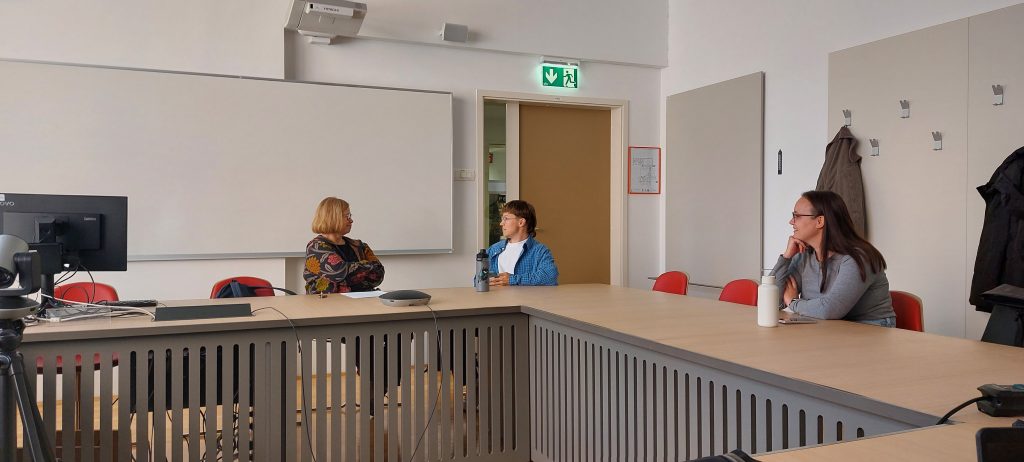
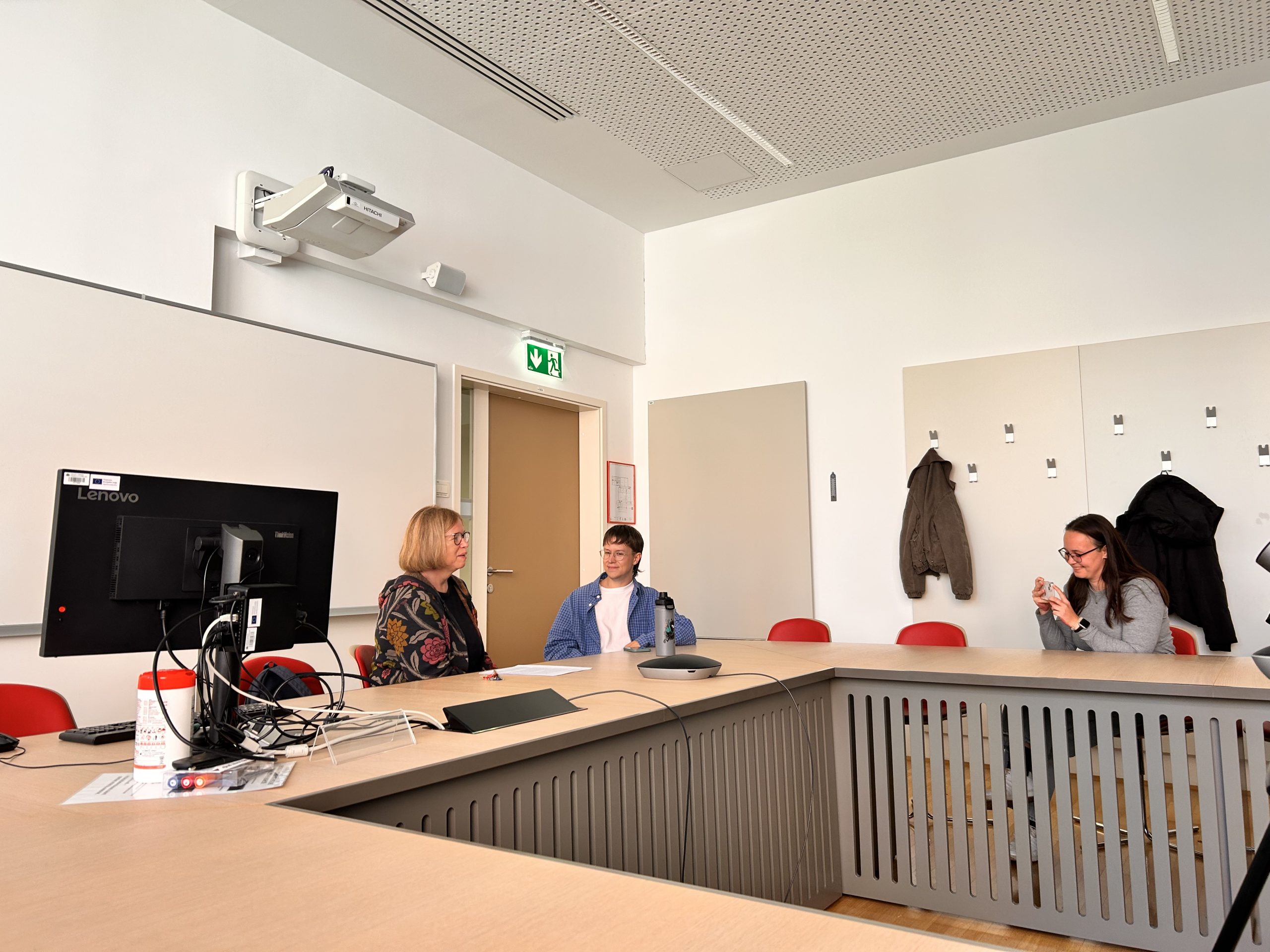
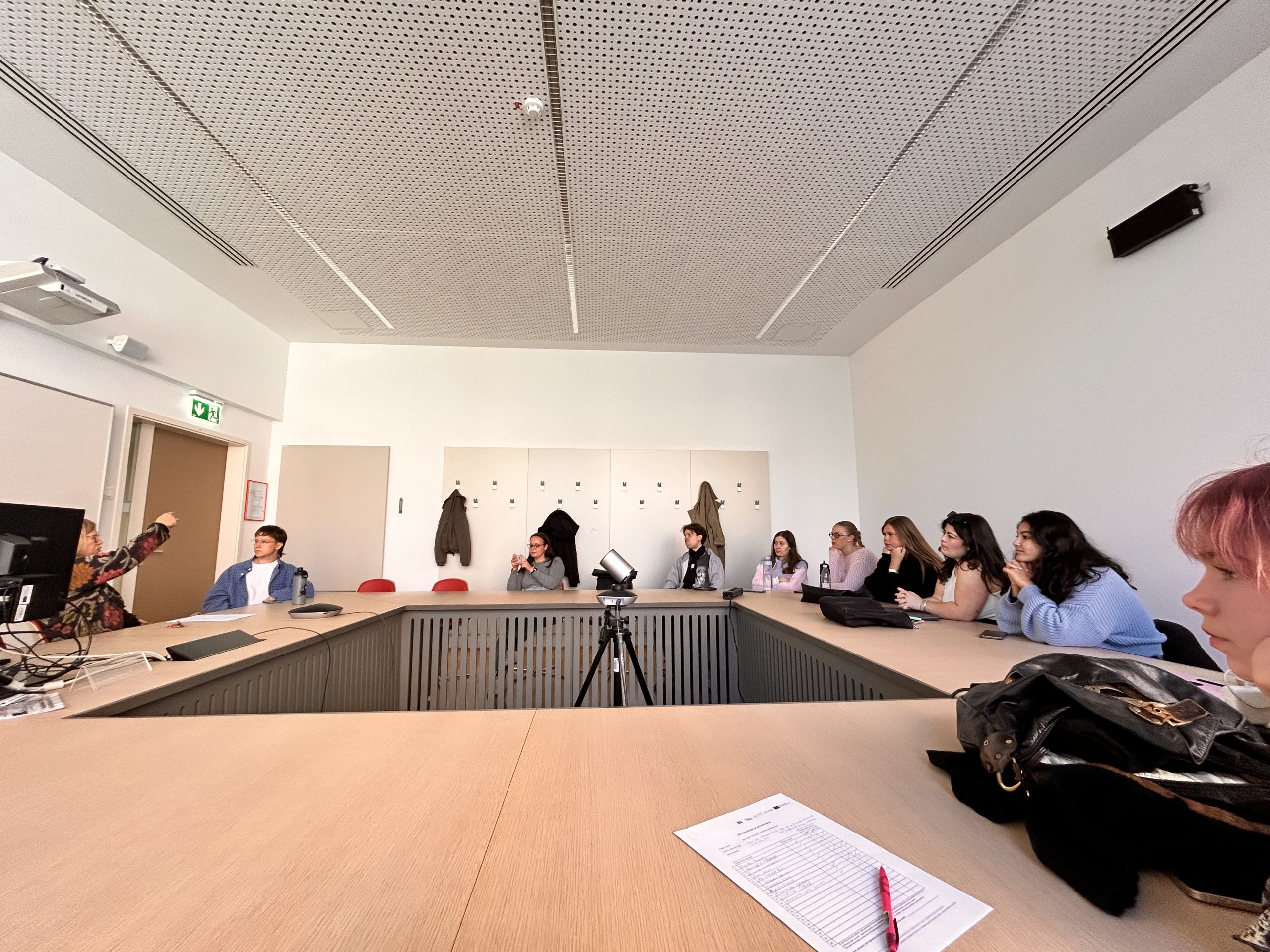
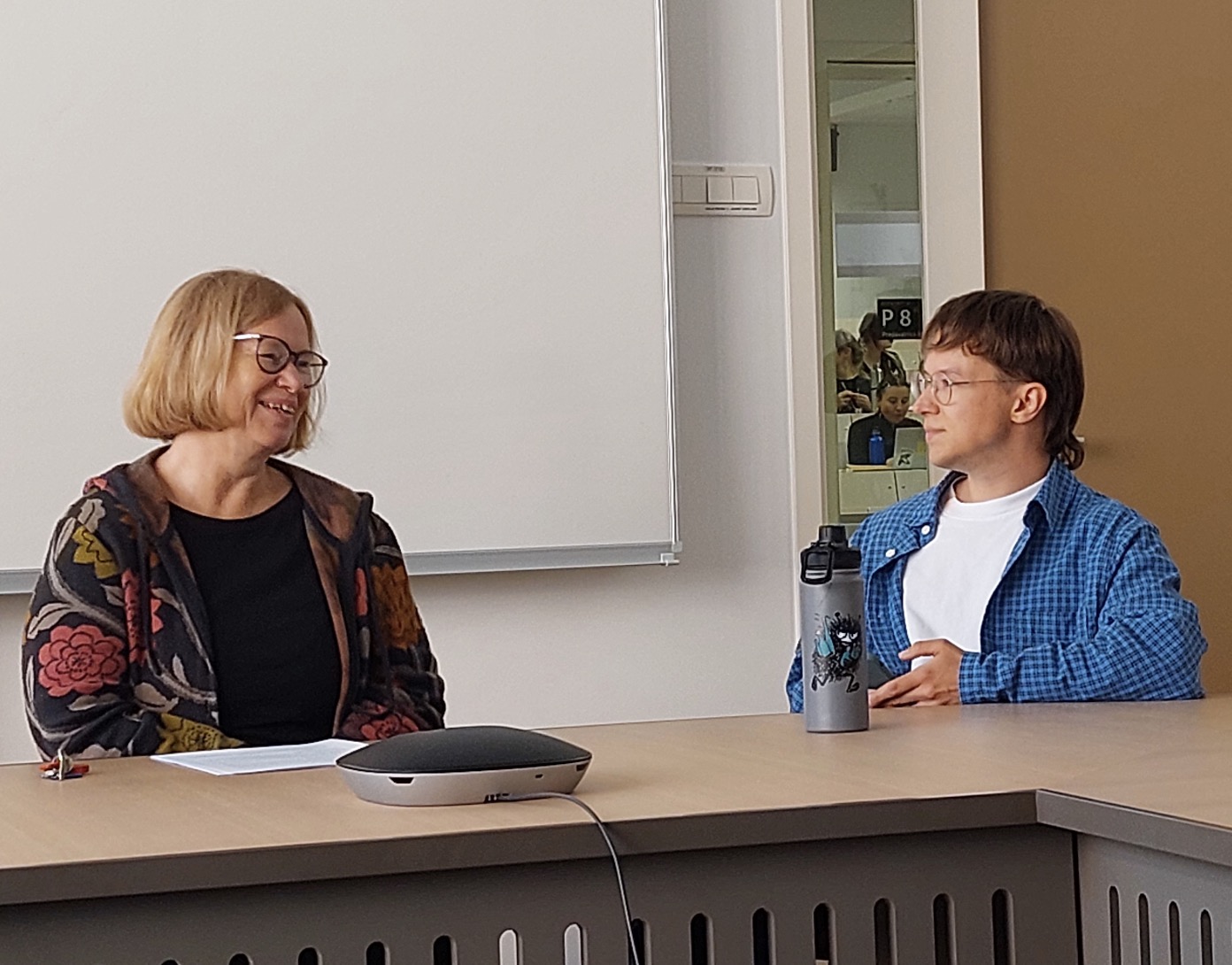
How much can we understand about someone if we only know their problems? This question stayed with us after our conversation with Professor Mojca Urek. Speaking about her career and research, she encouraged us to reflect on how people’s stories are heard in social work and what gets lost when professionals interpret someone’s life mainly through their difficulties. Early in her career, Urek became interested in mental health institutions. She described the poor conditions within them and how this motivated her interest in more community-based approaches. The discussion raised a question that connected many parts of her research: how can people have more influence over their own lives?
In her work she has approached this question by storytelling and narrative approaches. In social work, people often use services because they are experiencing difficulties. Those difficulties naturally receive attention, but they can gradually become the main way a person is understood. Their strengths and the things they consider meaningful may remain in the background. Narrative approaches can support a more holistic understanding of a person. A difficulty or diagnosis is part of someone’s experience, but it does not define them as a person.
Yet an important question remains: how can this approach become part of everyday practice? During the interview, Urek spoke about a handbook she had developed to help professionals integrate narrative approaches into social work. Its practical purpose connects with a wider challenge we discussed: how to bring the recognition that stories matter into documentation and decisions about support. Putting this into practice remains challenging. Bureaucratic requirements and limited resources can leave professionals with little time to explore someone’s story in depth. It can also be difficult to assess how meaningfully narrative approaches are integrated into everyday work.
The importance of recognizing different stories became particularly concrete when Urek spoke about her current interest in elderly LGBTQ+ people. How are their needs recognized as they grow older and begin to need care? Can they speak openly about their lives and trust that their identity and sexuality will be respected? She described a project aimed at helping care professionals better understand these experiences. This is connected closely with the wider discussion about narratives. If there is a narrow idea of what an older person’s life looks like, important parts of their history and identity can become invisible. Creating space for their story is part of providing care that recognizesthem as a whole person.
Thank you, Mojca, for sharing your experiences and insights with us, and for encouraging us to think more carefully about how we listen to and represent people’s stories.