Zarja Muršič
PhD in evolutionary anthropology, science communicator and biologist
Climate Lab
19. 8. 2026

Climate change is everywhere. We hear about rising temperatures, emissions, biodiversity loss and extreme weather almost every day. Yet the amount of information surrounding the climate crisis can sometimes make it feel more difficult rather than easier to understand. So how can we understand and communicate effectively problem as complex as this?
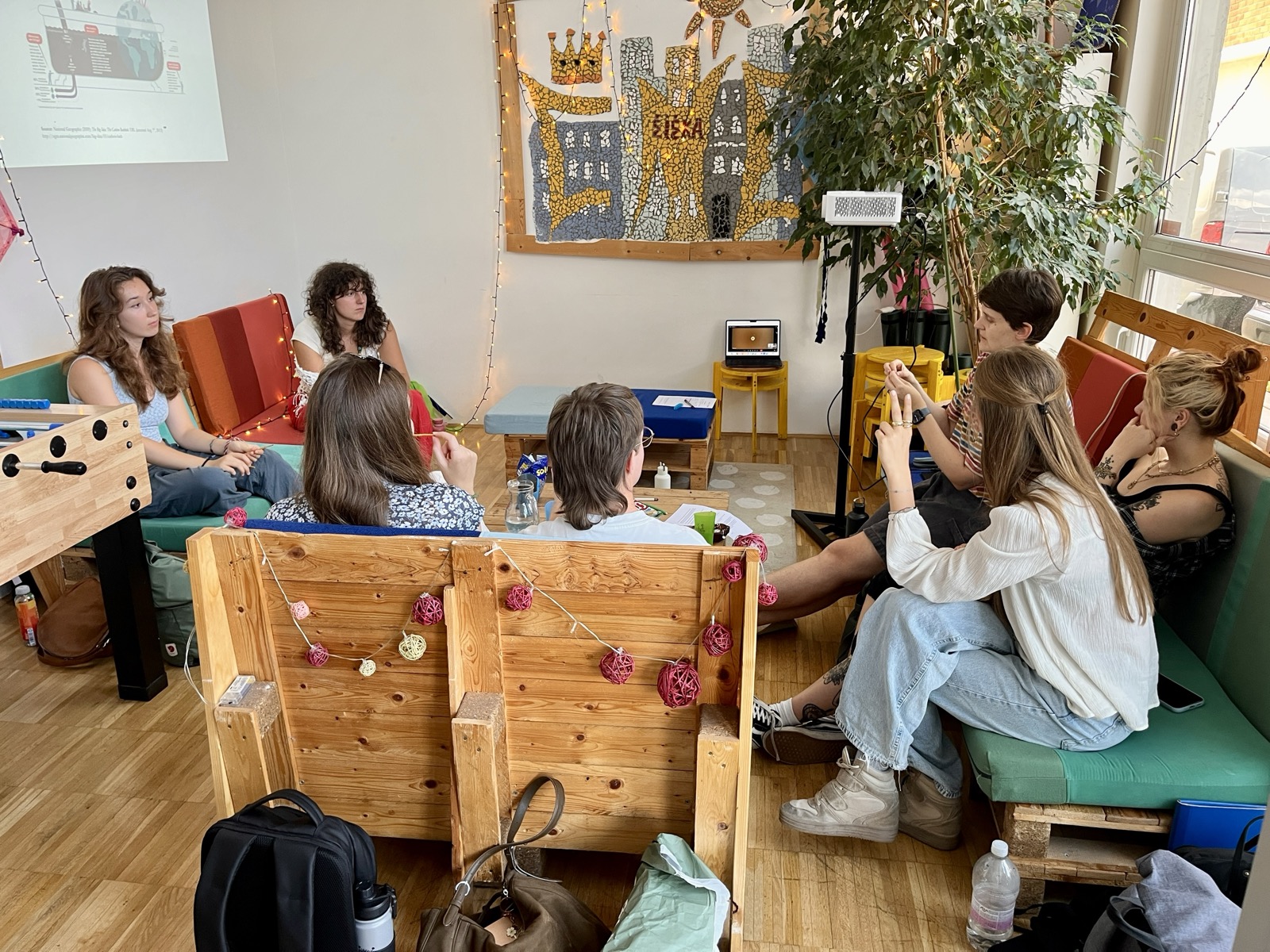
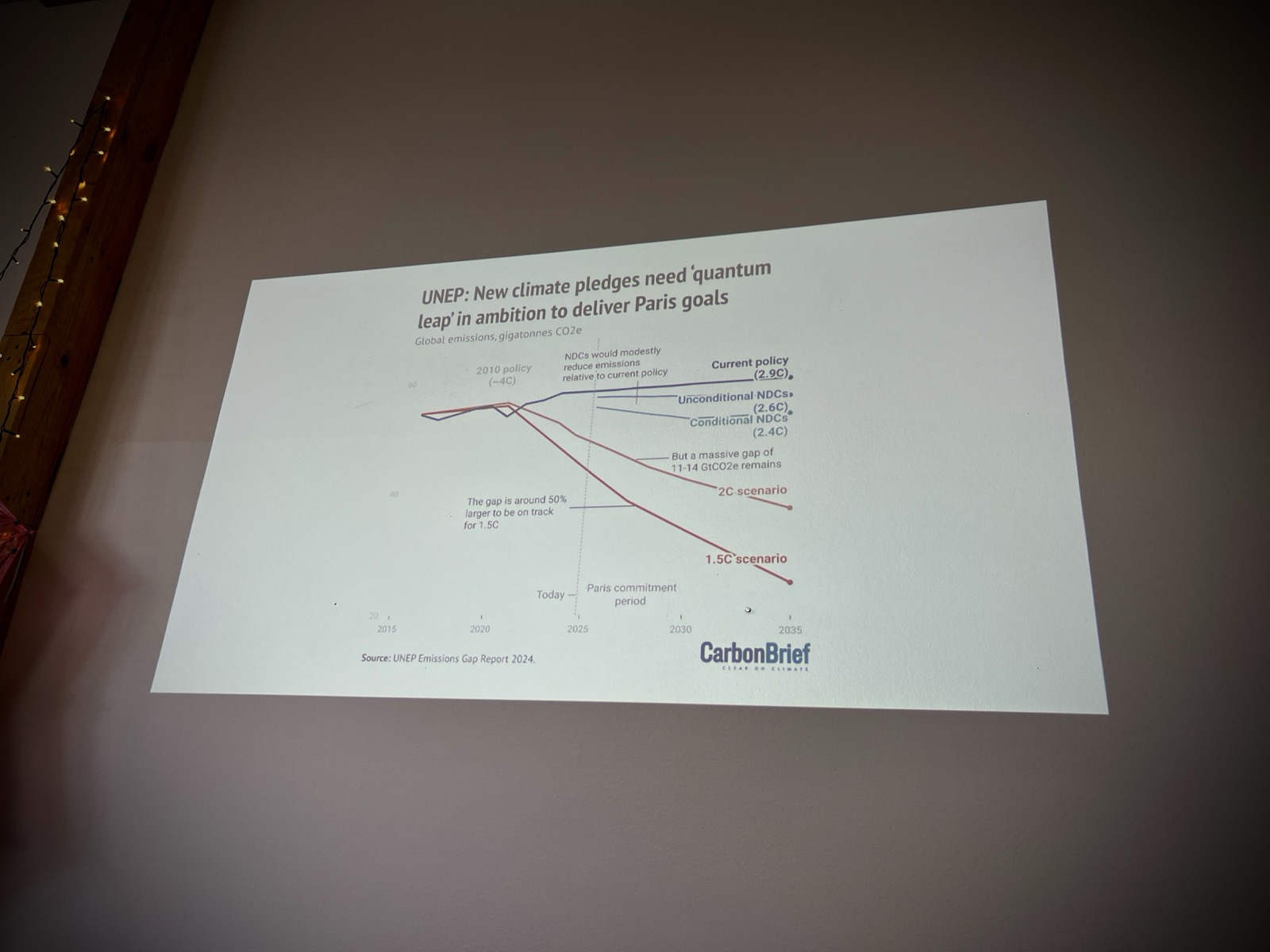
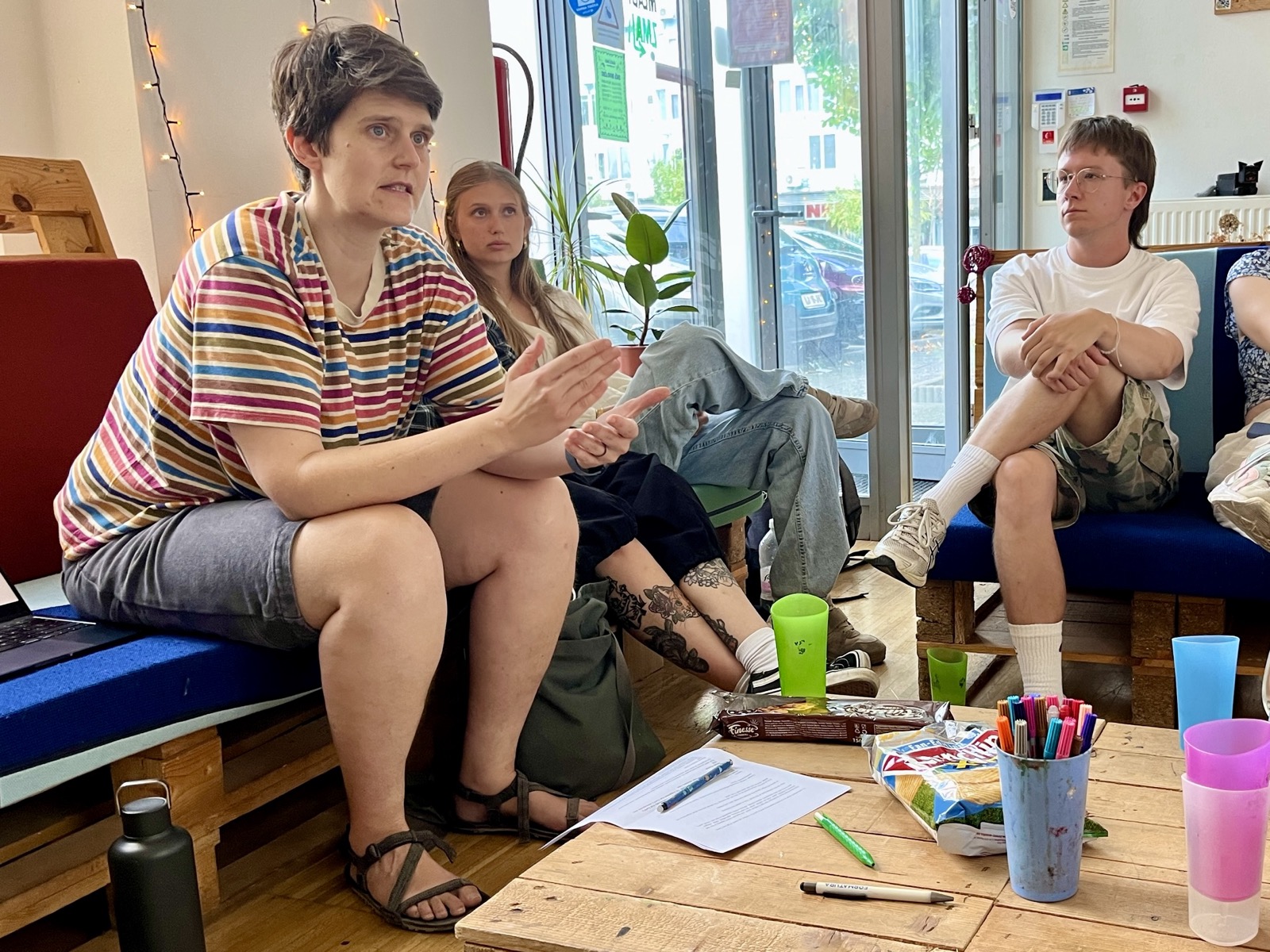
In her workshop “Climate ABC: Introduction to climate change” which is the first part of the Climate Lab series, Zarja Muršič invited us to think about climate communication. We started from the history and basics of climate change. This is important in the sense that first we need to understand what we are communicating. Therefore understanding the long scientific history and the basic physics of climate change is very important. One important fact we learned is that climate change is not by any means a new scientific discovery. It did not suddenly appear in the twenty-first century. The oil companies knew about the possibility of climate change since the late 1970s and the scientific models they had back then were able to predict the change surprisingly correctly.
Nowadays the mechanisms have developed and we have more information than ever before. The amount of numbers, graphs and scientific terminology can quickly become overwhelming. This is why good communication becomes important. One example discussed in the workshop was the “carbon bathtub” metaphor. We can imagine the atmosphere as a bathtub: carbon dioxide emissions are flowing into it through the tap, while natural processes remove some carbon through the drain. When more carbon enters than leaves, the bathtub keeps filling. Even a complicated process can therefore become understandable when we find the right way to explain it.
Communication, however, is never completely neutral. The stories we tell also influence where we place responsibility. The workshop highlighted the role of fossil fuel companies and, in particular, the idea of the personal carbon footprint. Campaigns encouraging individuals to calculate and reduce their own carbon footprints can make personal choices appear to be the central solution to the climate crisis. At the same time, they can shift attention away from the industries and political structures responsible for a large share of emissions.
This does not mean that individual actions are meaningless. Instead, it encourages us to ask a different question: what kind of story about climate change are we telling? Are we presenting the climate crisis only as the result of millions of individual choices, or are we also talking about energy systems, industries, political decisions and collective possibilities for change?
Zarja, thank you for giving us new tools to think about climate change. We are really eager to be able to use this information in the following workshops.