dr. Ana Jagrič
systemic psychotherapist
Staying Connected to Myself in Challenging Situations
18. 9. 2026
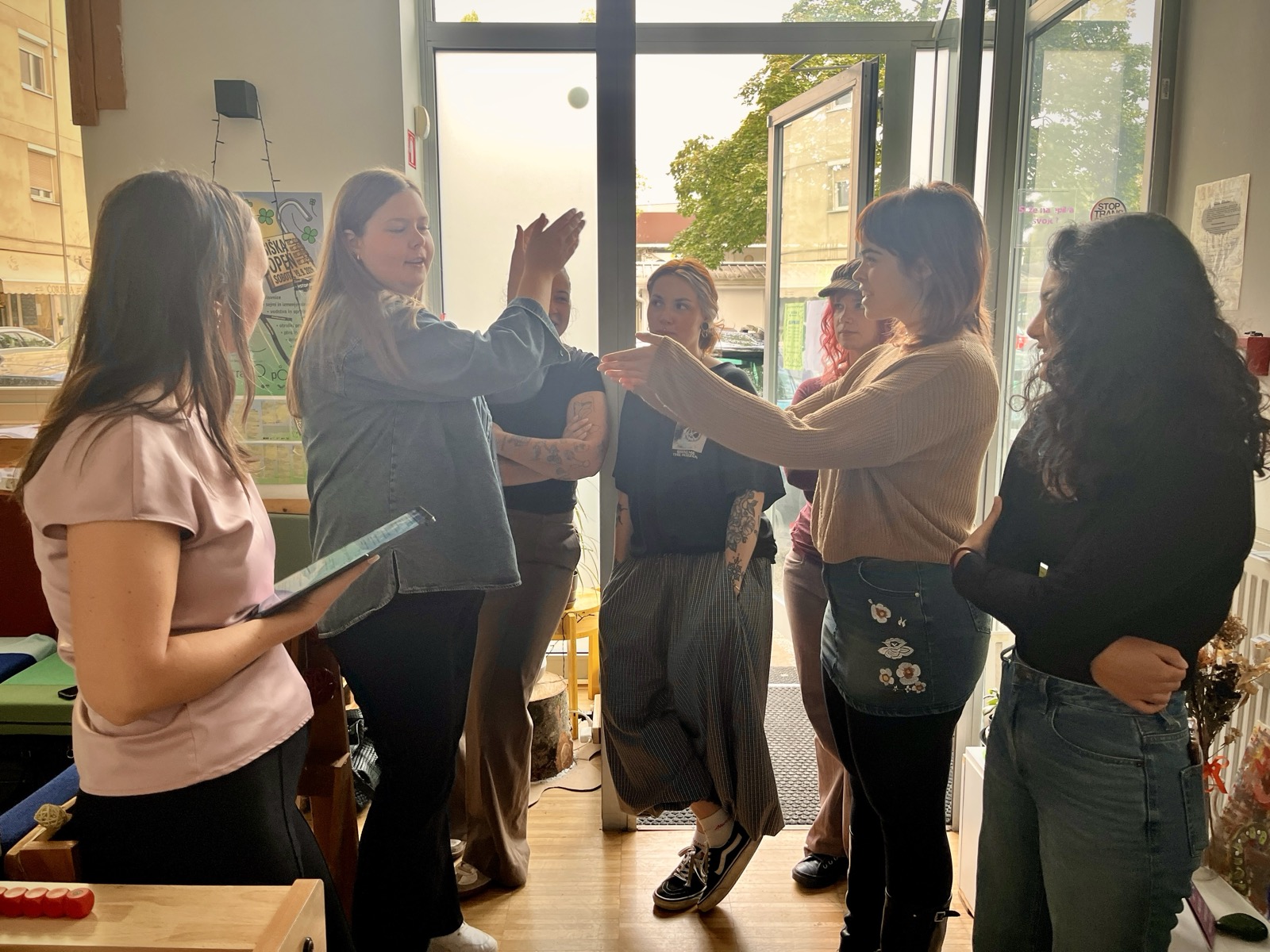
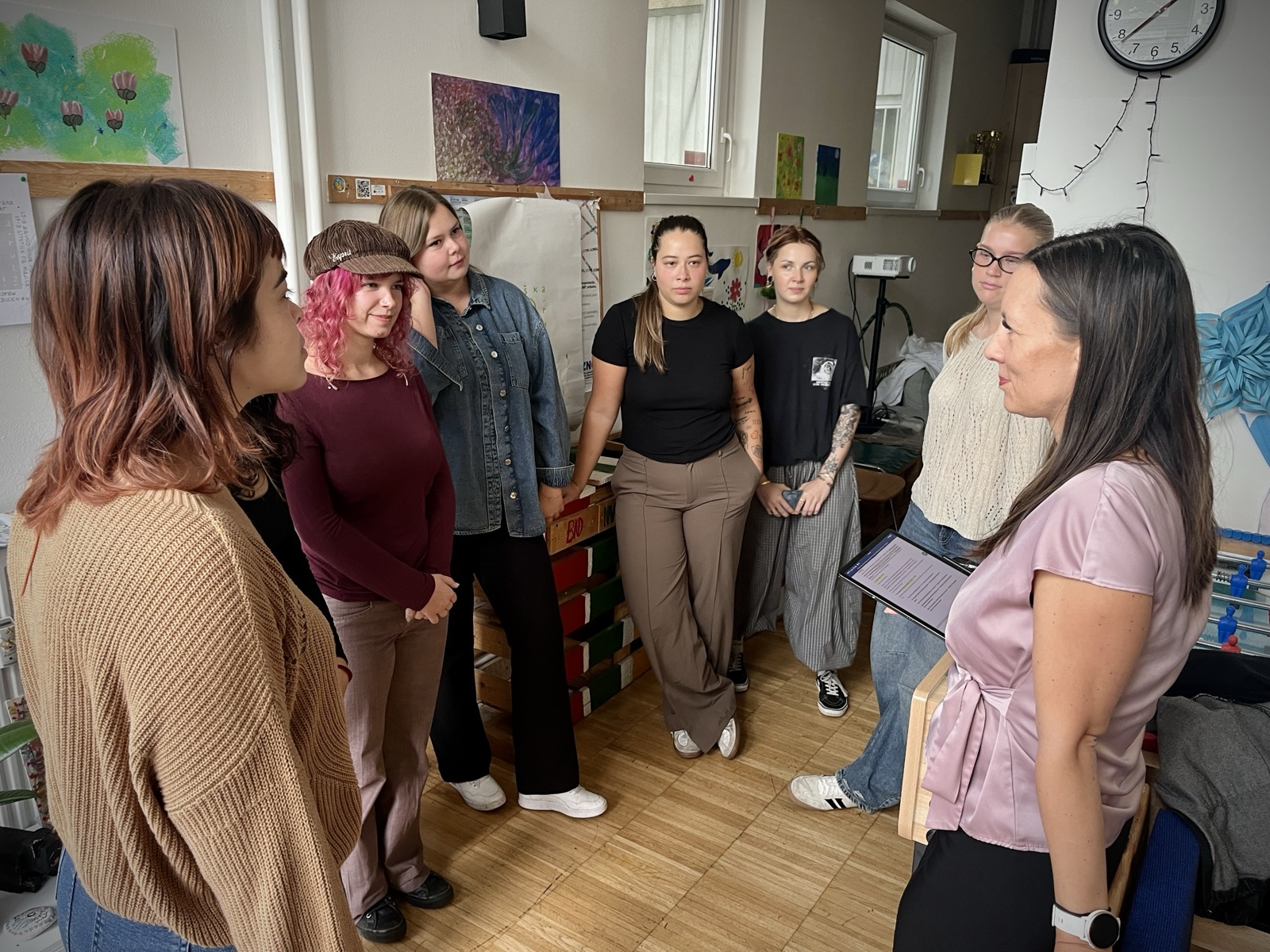
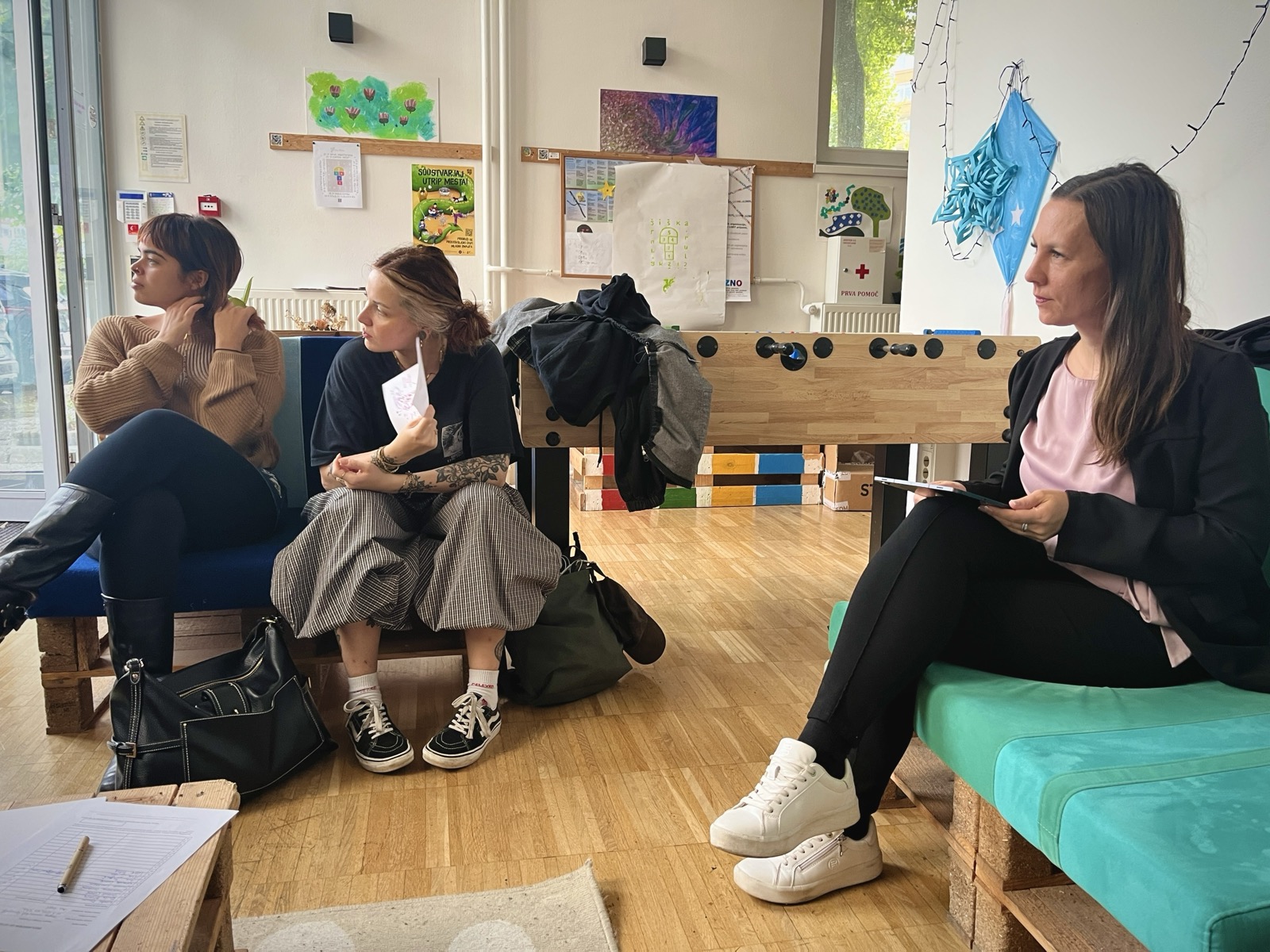
What happens to our minds and bodies when we face overwhelming stress or challenging situations? Whether navigating the pressures of daily life, adapting to new situations and environments, or standing up for ourselves, challenging situations trigger deep physical and psychological reactions. Exploring how we recognize these automatic responses and how we can return to a state of balance was the core focus of today’s workshop led by Ana Jagrič, a psychotherapist.
“Staying Connected to Myself in Challenging Situations” offered a non-formal education space to build practical tools to stay grounded when our systems are thrown off balance. After a brief introduction, we began with an exercise designed to help us map our tendencies and internal systems, through a series of spectrum choices, we explored where we stand on everyday preferences, whether we are more morning or night persons, spontaneous or planners, and how we manage our social batteries. Choosing whether we seek out others or retreat into solitude when stressed highlighted an interesting fact: our nervous systems are uniquely wired, and we may all feel the same reactions or completely different ones to same situations. And both are ok.
The conversation then moved into analyzing what actually throws us off balance. Participantsreflected about one stressful situation they had to face and later pondered in what they felt, thought, and physically experienced in their body. Was it anger, sadness, frustration, indifference, or a complete sense of hopelessness? How did you deal with these emotions? How did you react?
Triggers often stem from heightened expectations, intense emotional pressure, or feeling not understood or acknowledged by others. We discussed the subtle warning signs that our body manifested that could signal a loss of balance. Do you acknowledge immediately when a situation will bring you stress, or do you just realize it when you already feel overwhelmed? And how do you handle it?
A central topic of the workshop was the way we deal with these high-stress moments. Reactions can range from crying and shouting to leaving and shutting down completely and when reflecting on past conflicts, many participants expressed a shared realization: the desire to have stood up for themselves rather than feeling oppressed or silent. Examining these moments without judgement allowed us to better understand our automatic survival responses and identify what we truly need to feel safe and empowered.
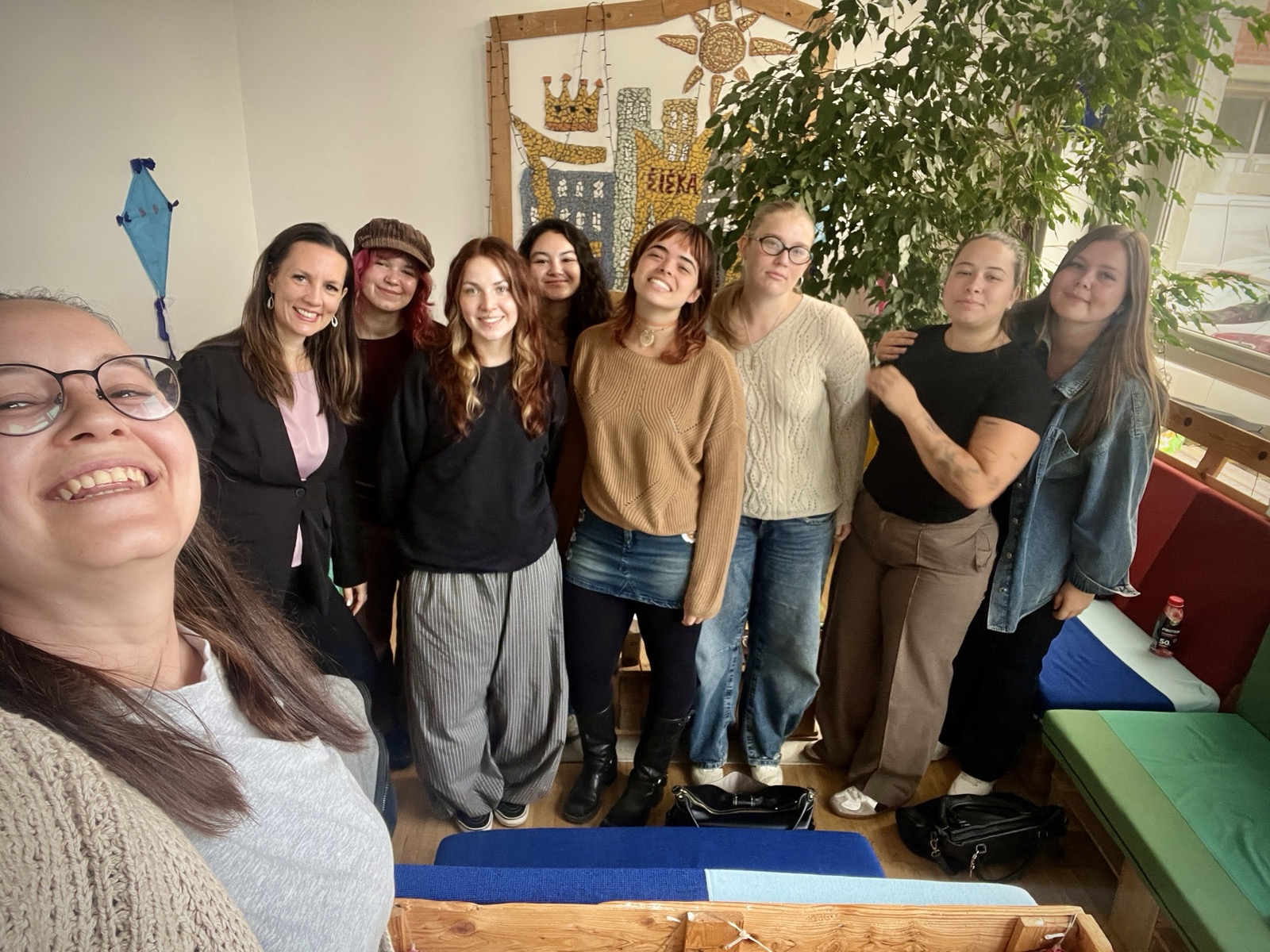
Finally, the workshop explored the grounding tools that help bring us back to our senses when our systems are triggered, from immediate physical releases like crying, to meditation, writing or talking with trusted friends. This workshop reminded us that losing balance in challenging situations is a universal human experience. Staying connected to ourselves is not about avoiding stress entirely, but it is about recognizing our body’s signals, honoring our emotional needs, and building self-awareness required to stand up for ourselves while maintaining our internal peace. A huge thanks to Ana for guiding us through such a thoughtful session.